Wear eye protection every time the spindle turns, never wear gloves or loose sleeves near a running chuck, and remove the chuck key before switching the machine on, starting with a pair of safety glasses at $11.95.

TICONN 1PK Anti-Fog Safety Glasses for Men & Women
Check price on Amazon
NoCry Premium Safety Face Shield for Grinding and Cutting - Clear...
Check price on AmazonWhat clothing and jewelry rules matter most at a lathe?
A rotating chuck or spindle can catch loose material in a fraction of a second, and unlike many shop hazards, there is often no time to react once something is caught. This is the single most important category of lathe safety rule, and it is non-negotiable regardless of how quick the job seems.
- No gloves near a running chuck or spindle, ever; gloves grip and pull a hand in rather than slipping free.
- No loose sleeves, ties, or drawstrings; roll up sleeves or wear short sleeves at the machine.
- No rings, bracelets, or dangling jewelry on hands that will be near rotating work.
- Long hair tied back and contained, not just pulled into a loose ponytail that can still swing free.
- Snug-fitting clothing generally, avoiding anything that could snag on a chuck jaw or workpiece.
What is the chuck key rule, and why is it so strict?
A chuck key left in the chuck becomes a projectile the instant the spindle starts turning, capable of striking the operator or anything nearby at speed. Some chuck keys are self-ejecting, but the safest habit is a physical, unbreakable rule: the key never leaves your hand until it is out of the chuck, and it is never set down anywhere near the machine while still engaged.
A simple physical reminder helps build this habit: tie or clip the chuck key to a lanyard attached to the machine or to your wrist so it cannot be set down while still engaged, or use a spring-loaded self-ejecting key that physically cannot stay seated once released. Neither replaces the habit itself, but both make forgetting far harder to do by accident.
What eye and face protection does lathe work require?
Eye protection is required every time the spindle is running, full stop, regardless of how small or quick the cut seems. Turning throws chips, and a chip in the eye is one of the most common and most preventable shop injuries. Safety glasses rated ANSI Z87.1 like these cover routine turning work.
Grinding on a bench grinder, whether sharpening HSS tool bits or dressing a wheel, throws sparks and larger fragments that safety glasses alone do not fully block. Add a face shield at $35.97 over safety glasses for any grinding task.
| Task | Minimum protection |
|---|---|
| Turning, facing, drilling on the lathe | ANSI Z87.1 safety glasses |
| Grinding tool bits or dressing a wheel | Face shield over safety glasses |
| Extended sessions, loud machines | Hearing protection in addition to eye protection |
What operating habits prevent the most common lathe accidents?
Beyond clothing and eye protection, a handful of habits account for most preventable lathe incidents: reaching across a running chuck to adjust something, using a rag to clean chips near a spinning part, and leaving a machine running unattended. Stop the spindle completely before any adjustment, measurement, or chip clearing that requires hands near the work.
Reaching across or behind a running chuck to grab a tool, adjust a light, or steady a wobbling part is a particularly common shortcut under time pressure, and it puts a hand or sleeve directly in the path of the fastest-moving part of the machine. Stop first, then reach; the few seconds lost stopping and restarting the spindle are never worth the risk.
Chips should be cleared with a brush or hook, never bare fingers, since swarf from steel and stainless steel is often sharp enough to cut on contact even when the machine is off.
What should never be adjusted or measured with the lathe running?
Measuring a part with a caliper or micrometer while it is still spinning, commonly called measuring on the fly, is a practice some experienced machinists use but that carries real risk for anyone still building habits. For a home shop, stop the spindle before every measurement, tool change, or chip clearing pass.
What hearing and respiratory protection does a home shop need?
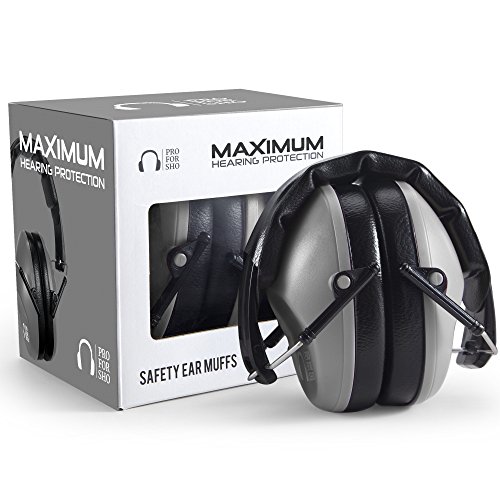
A running lathe motor and gear train, plus a bench grinder or bandsaw used in the same space, add up to hours of exposure over a shop career, and hearing damage from that exposure is cumulative and permanent rather than something that heals between sessions. Basic hearing protection rated 20 to 30 dB NRR is inexpensive and worth wearing routinely, not just during the loudest individual operations.
Cutting fluid mist and metal dust from grinding are the two main airborne concerns in a home metal shop. Routine turning with occasional cutting fluid application does not usually require a respirator, but extended grinding sessions, especially indoors with limited ventilation, benefit from a simple dust mask at minimum and better ventilation or a shop vacuum positioned near the work.
What should a beginner do in the first few sessions to build safe habits?
Safety habits form fastest when they are practiced consistently from the very first session, before any bad shortcuts have a chance to feel normal. Run through the same short mental checklist every single time the machine is switched on, even for a two-minute cut: chuck key out, sleeves and jewelry clear, eye protection on, and a clear plan for where hands will be during the cut.
- Confirm the chuck key is out of the chuck and set down away from the machine.
- Check clothing, sleeves and jewelry before touching the power switch.
- Put on eye protection, and a face shield instead if the task involves grinding.
- Confirm the workpiece is fully seated and tightened in the chuck before starting the spindle.
- Plan where hands will be positioned during the cut before starting, rather than deciding mid-cut.
- Stop the spindle fully before any measurement, adjustment, or chip clearing.
Shop the tools for this
An even spread across the price range, cheapest to premium.




Frequently asked questions
Is it ever safe to wear gloves at a metal lathe?
Not near a running chuck or spindle. Gloves can grip a hand into rotating machinery rather than releasing it, which is worse than bare skin contact in almost every catch scenario. Gloves are fine for handling stock, sharp swarf, or chemicals away from moving parts, but should come off before the machine starts turning.
Why is a chuck key so dangerous if left in place?
The instant the spindle spins, an inserted chuck key is thrown outward at speed, since it is no longer restrained once rotation starts. It can strike the operator or anyone nearby hard enough to cause serious injury. Treat removing the key as part of starting the machine, not a separate step that can be skipped.
Do I need a face shield for every lathe task?
No, safety glasses cover routine turning, facing and drilling. A face shield becomes important specifically for grinding, where sparks and larger fragments travel faster and wider than typical turning chips.
Should long hair just be pulled back, or fully contained?
Fully contained. A ponytail can still swing forward into a rotating chuck if you lean over the work. Use a snug head covering or tie hair back tightly enough that it cannot extend toward the spindle even when bending down.
Is it safe to leave a lathe running unattended, even briefly?
No. Stop the spindle any time hands or attention must leave the machine, even for a short interruption. An unattended running lathe removes the operator judgment that prevents most incidents in the first place.
Keep going
Researched from published specifications, standards and verified owner reviews. Not professional advice. How we research.