Weight = cross-section area x length x density. A 1 inch round steel bar weighs 2.67 lb per foot; the same bar in 6061 aluminum weighs 0.92 lb per foot, about a third as much.
Densities: steel 0.2836, stainless 0.289, aluminum 0.0975, brass 0.307, copper 0.323, bronze 0.322, cast iron 0.260, titanium 0.160 lb per cubic inch. Tube and angle ignore corner radii, which makes them read one to three percent heavy.
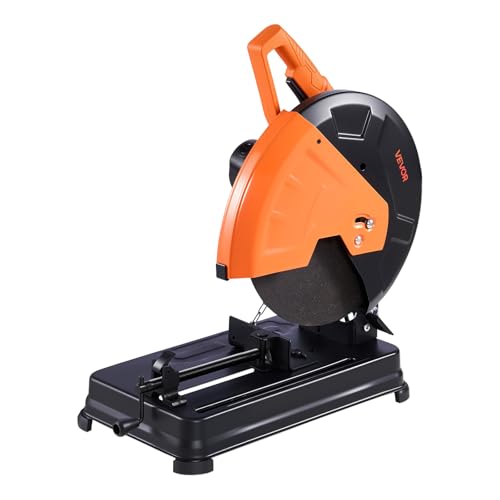
Tools for this job
The tooling this calculation is usually for, spread across the price range.


How does the metal weight calculator work?
Weight tells you what a length of stock will cost by the pound, whether a part is too heavy for a small lathe chuck, and how much a shelf of bar stock is loading the wall. The math is volume times density; the only real decision is which alloy density to use, and alloys within one family differ by only a few percent.
Frequently asked questions
How much does a foot of 1 inch steel round bar weigh?
About 2.67 pounds. The cross-section of a 1 inch round is 0.7854 square inch; times 12 inches is 9.42 cubic inches, times 0.2836 pounds per cubic inch for carbon steel is 2.67 pounds. Stainless is about 2% heavier and aluminum about 66% lighter.
Does the alloy change the weight much?
Within a family, barely. 1018, 1045, 4140 and A36 are all within about one percent of 0.284 lb per cubic inch. Aluminum alloys range from about 0.096 to 0.102. The big jumps are between families: aluminum, then titanium, then steel and iron, then brass, bronze and copper.
Keep going
Formulas are standard shop math; starting speeds are conservative conventions for hobby machines. Not professional engineering advice. Wear eye protection and keep hands, gloves and sleeves clear of rotating work.