A #11 drill measures 0.1910 inch (4.851 mm). The closest fractional drill is 3/16" (0.1875") and the closest metric drill is 4.9 mm (0.1929").
What are the #11 drill equivalents?
| Drill | System | Decimal (in) | mm | Difference (in) |
|---|---|---|---|---|
| #11 | number | 0.1910 | 4.851 | 0 |
| #12 | number | 0.1890 | 4.801 | -0.0020 |
| 4.8 mm | metric | 0.1890 | 4.800 | -0.0020 |
| 4.9 mm | metric | 0.1929 | 4.900 | +0.0019 |
| #10 | number | 0.1935 | 4.915 | +0.0025 |
Drill sets that include this size
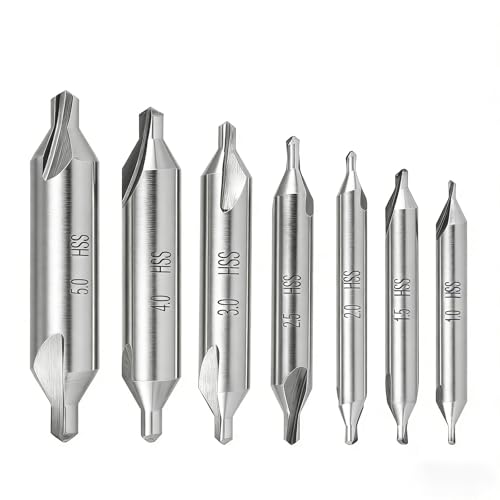
Number and letter sizes come in indexed sets; buy the set rather than single drills.


What speed should a #11 drill run?
| Material | RPM (HSS) | Feed (in/rev) |
|---|---|---|
| 6061-T6 aluminum | 4,000 | 0.0038 |
| 360 free-machining brass | 3,000 | 0.0034 |
| 1018 cold rolled steel | 1,600 | 0.0029 |
| 304 stainless steel | 800 | 0.0019 |
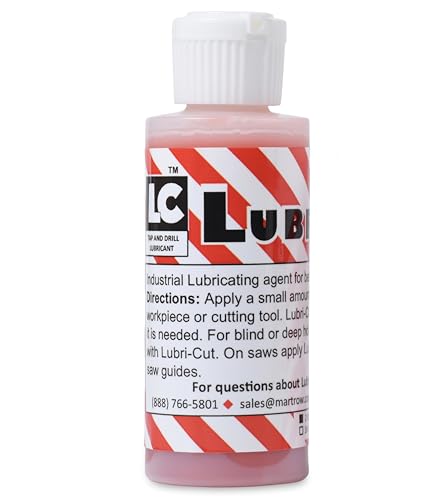
Starting points from conservative HSS drilling speeds. Small drills often call for more RPM than a benchtop drill press offers; run at the top speed and feed gently. Use cutting oil in steel and stainless, and clamp the work: never hold it by hand.
Cutting fluid for drilling


Frequently asked questions
What is a #11 drill in inches?
0.1910 inch, which is 4.851 mm. Number drills get smaller as the number rises, so the next number up is a smaller drill. If you do not have this exact size, 4.9 mm is within 0.0019 inch.
What tap uses a #11 drill?
No common UNC or UNF thread uses it as its standard 75% tap drill, but it often serves as an alternative drill for a slightly different percentage of thread, or as a clearance or pilot size. The tap drill chart lists every standard pairing.