1" square carbon steel square bar weighs 3.403 lb per ft (5.06 kg per m). Weight = cross-section area x length x 0.2836 lb per cubic inch.
How much does carbon steel square bar weigh per foot?
| Size | Area (sq in) | lb per ft | kg per m | 12 ft length, lb |
|---|---|---|---|---|
| 0.25" square | 0.0625 | 0.213 | 0.32 | 2.6 |
| 0.375" square | 0.1406 | 0.479 | 0.71 | 5.7 |
| 0.5" square | 0.2500 | 0.851 | 1.27 | 10.2 |
| 0.75" square | 0.5625 | 1.914 | 2.85 | 23.0 |
| 1" square | 1.0000 | 3.403 | 5.06 | 40.8 |
| 1.25" square | 1.5625 | 5.318 | 7.91 | 63.8 |
| 1.5" square | 2.2500 | 7.657 | 11.40 | 91.9 |
| 2" square | 4.0000 | 13.613 | 20.26 | 163.4 |
| 3" square | 9.0000 | 30.629 | 45.58 | 367.5 |
Formula: area = side squared; weight = area x length x 0.2836 lb/in3. For any other size use the metal weight calculator.
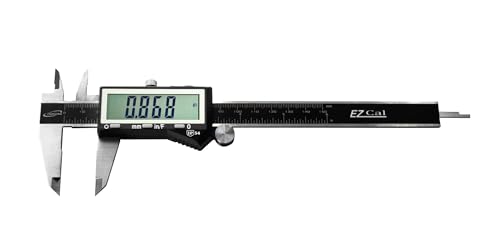
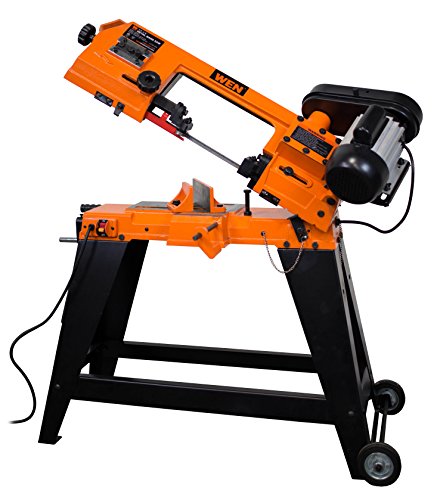
Cut and measure your stock




Frequently asked questions
How do you calculate the weight of carbon steel square bar?
Multiply the cross-section area in square inches by the length in inches and by the density, 0.2836 lb per cubic inch for carbon steel (1018 / A36). For this shape the area is: area = side squared. A foot of stock is 12 inches, so weight per foot is area x 12 x 0.2836.
How does carbon steel compare with steel by weight?
Carbon steel is the baseline at 0.2836 lb per cubic inch. Stainless is about 2% heavier, brass about 8% heavier, copper about 14% heavier, and aluminum about 66% lighter for the same size.
Other carbon steel shapes
Square bar in other metals
Keep going
Weights from typical published densities; actual alloys and mill tolerances vary by a few percent. Not an engineering load calculation.