For everyday drilling and tapping, Anchorlube All-Purpose Metalworking Compound at $13.77 is water-based, cleans up easily, and works well on stainless without the odor and mess of a straight cutting oil.
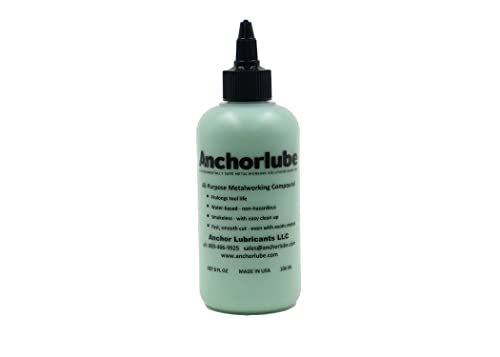
Anchorlube All-Purpose Metalworking Compound 8oz - Water-Based...
Anchorlube is a water-based paste rather than an oil, which means no oily film on the bench, no strong smell, and easy cleanup with water. It performs well on the material that gives home shops the most trouble, stainless steel, and works fine on aluminum and mild steel too. A dab on a tap or drill point before cutting reduces friction and the risk of a snapped tap far more than cutting dry.
Check price on AmazonThe three picks at a glance
| Tier | Pick | Price |
|---|---|---|
| Beginner | Forney 20857 Tap Magic Industrial Pro Cutting Fluid | $7.99 |
| Intermediate | Anchorlube All-Purpose Metalworking Compound 16oz - Water-Based... | $16.86 |
| Expert | Tap Magic 30128P Pro Tap - 1 gal | $72.99 |
Beginner: Best first bottle
Who it is for: someone tapping and drilling occasionally who wants a small, cheap bottle to keep in the tool box

Forney 20857 Tap Magic Industrial Pro Cutting Fluid
A small 4 oz bottle of Forney Tap Magic Industrial Pro at $7.99 lasts a long time for occasional tapping and drilling, and it is cheap enough to keep by the drill press without a second thought.
Check price on AmazonSkip it if: frequent tapping sessions where a small bottle runs out faster than expected
Intermediate: Buy once
Who it is for: a hobbyist tapping and drilling steel and stainless regularly and wanting a bottle that lasts through many projects

Anchorlube All-Purpose Metalworking Compound 16oz - Water-Based...
The 16 oz Anchorlube All-Purpose Metalworking Compound at $16.86 is the larger size of the same water-based, low-mess formula, sized to last through regular shop use without frequent reordering.
Check price on AmazonSkip it if: lathe turning operations needing a continuous flood of fluid rather than an applied paste
Expert: Performance ceiling
Who it is for: a machinist running a lathe or mill for extended sessions who wants a proven cutting oil in a size that supports frequent use

Tap Magic 30128P Pro Tap - 1 gal
A full gallon of Tap Magic Pro Tap at $72.99 refills smaller applicator bottles and supports both tapping and general turning and milling fluid needs without running out mid-project, a real cost saving over repeatedly buying small bottles.
Check price on AmazonSkip it if: occasional hobby use; a gallon sits mostly unused and some cutting oils can separate or degrade if stored a very long time
Cutting oil or water-based fluid: which is less hassle?
Straight cutting oils, like most Tap Magic and CLIsyntec formulas, lubricate very well and are the traditional choice for tapping and turning steel. They leave an oily film that needs solvent or degreaser to fully clean, and some have a noticeable smell in an enclosed shop space.
Water-based compounds like Anchorlube clean up with plain water, have little to no odor, and still perform well for tapping and drilling, though dedicated straight oils generally edge them out for continuous lathe turning where a flood of lubricant matters more than a light applied film.
| Fluid type | Cleanup | Best use |
|---|---|---|
| Straight cutting oil | Needs solvent or degreaser | Lathe turning, heavy tapping |
| Water-based paste | Rinses with water | Drilling, tapping, general shop use |
| Aluminum-specific fluid | Varies by formula | Preventing gummy buildup in aluminum |
Why does tapping without fluid break so many taps?
Tapping generates concentrated friction and heat in a confined hole, especially in steel and stainless. Without lubrication, chips can weld slightly to the tap flutes and the torque needed to keep cutting rises fast, right up until the tap snaps off inside the hole, which is a difficult repair.
A drop of cutting fluid before starting a tap, and again every few turns while backing out to clear chips, keeps torque low and chips moving instead of packing. See the how to tap a hole guide for the full technique alongside fluid use.
Does aluminum need a different fluid than steel?
Aluminum tends to gum up on a tool edge more readily than steel, especially at higher cutting speeds, which is why some fluids are formulated specifically for aluminum to reduce that buildup. A general-purpose tapping fluid still works on aluminum for occasional use, but a shop cutting a lot of aluminum benefits from a dedicated aluminum fluid or running lower SFM to reduce heat buildup, per the cutting speed chart.
Does cutting fluid matter for lathe turning too?
Yes. Turning and milling generate similar heat and friction concerns as tapping, especially in stainless and harder alloys, and fluid extends tool life and improves surface finish. For continuous cuts, a flood or drip application works better than a paste meant for tapping, which is why heavier users often keep both a paste for tapping and a straight oil for turning.
Speed and feed selection interacts with fluid use: running the correct SFM from the RPM calculator reduces heat in the first place, and fluid handles what friction remains.
Also worth considering
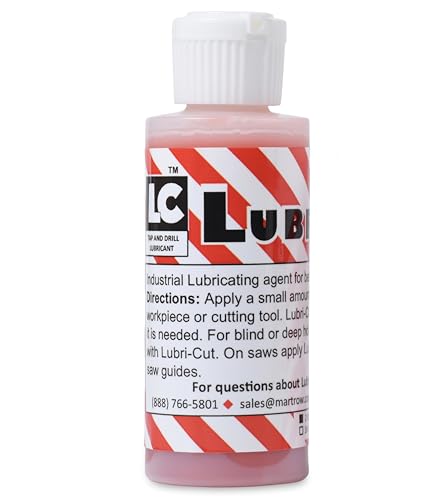
- Lubri-Cut Cutting Paste for Drilling Metal - 2.5 Oz Tub - Made in USA ($13.88): Lubri-Cut cutting paste at $13.88 for tapping and sawing where a thicker paste stays put on a vertical or overhead cut better than a liquid.
- Tap Magic 20016A Aluminum Fluid with Spout Top ($16.25): Tap Magic Aluminum Fluid at $16.25, a formula specifically suited to aluminum where a general-purpose fluid can sometimes leave a gummy residue.
- Tap Magic Cutting Fluid ($46.98): A 3-pack of 16 oz Tap Magic EP Xtra at $46.98 for a shop wanting to stock multiple stations or keep a spare on hand.
More options across the price range
Chosen as an even spread from the cheapest to the most expensive listing in this category.




How we chose
Every fluid here is pulled from current Amazon listings and matched to its published formula type (oil-based versus water-based) and container size. None of these were run in a shop; the material compatibility and cleanup guidance follows published product descriptions and general machining fluid practice rather than owner testing.
Fluids were chosen for a spread of container sizes matching occasional versus frequent use, for coverage of both steel-focused and aluminum-specific formulas, and for cleanup characteristics that matter in a home shop without industrial ventilation or a dedicated degreasing setup.
Buying tips
Do I need cutting fluid for drilling too, or just tapping?
Drilling benefits from fluid as well, especially in stainless or when drilling deep holes where chips and heat build up. It matters less for a quick shallow hole in aluminum or mild steel but is never wrong to apply.
Can I use motor oil or WD-40 instead of a dedicated cutting fluid?
They provide some lubrication in a pinch but lack the extreme-pressure additives that dedicated tapping and cutting fluids include, which specifically reduce friction under the high pressure of a cutting edge. A dedicated fluid performs noticeably better and costs little.
How much fluid should I apply per cut?
A small amount applied directly to the tool or hole before cutting, reapplied every few passes or turns, is enough. Excess fluid mostly runs off and adds mess without improving the cut.
Does cutting fluid go bad in storage?
Straight oils generally store well for years if kept sealed and out of extreme temperature swings. Water-based compounds can occasionally separate or develop odor over a very long shelf life; a quick shake and sniff before use catches this.
Get these picks by email
Every item on this page with its current price in one email, so you can buy the shop in stages. No sales sequence.
Used only to send the list.Frequently asked questions
Why does my tap keep breaking even with cutting fluid?
Fluid reduces friction but does not fix an incorrect tap drill size, forcing the tap without backing out to clear chips, or a misaligned start. Check the tap drill size against the tap drill chart and back the tap out every turn or two even while using fluid.
Is water-based cutting fluid as effective as oil for steel?
For tapping and drilling, a good water-based compound like Anchorlube performs well in steel and stainless. For sustained lathe turning where continuous lubrication matters more, a straight cutting oil generally still has an edge, which is why some shops keep both types on hand.
Can I use cutting fluid on a mini lathe without a coolant system?
Yes, hand application with a brush or squeeze bottle works fine for hobby-scale turning. A full flood coolant system is unnecessary for most hobby work; applying fluid to the tool tip before and during a cut covers the need.
What is the difference between cutting oil and tapping fluid?
In practice the terms overlap heavily for hobby use; most tapping fluids work fine for general cutting and vice versa. Dedicated tapping fluids are often formulated slightly thicker to cling inside a hole, while general cutting oils may be thinner for flood application during turning or milling.
Does cutting fluid prevent rust on my machine?
Most cutting and tapping fluids leave a light residual film that offers some short-term rust protection on bare metal surfaces, but they are not a substitute for a dedicated way protectant on ways and unpainted surfaces left idle for an extended period.
Keep going
Researched from published manufacturer specifications, listing details and verified owner reviews. Not hands-on testing and not professional advice. How we research.